Resource optimization is the act of allocating and managing project resources to ensure maximum efficiency, productivity, and profitability. In this guide, we explore how professional services firms can achieve resource optimization, the benefits of doing so, and best practices to follow.
Key takeaways
-
Resource optimization in project management is the process of allocating resources – such as people, skills, equipment, and budget – to specific engagements strategically to drive productivity and profit, and ensure on-time project delivery with minimal waste
-
Common resource optimization techniques include breaking down silos to achieve firm-wide visibility, AI-powered scheduling, resource leveling or smoothing, and data-driven resource forecasting
-
The benefits of resource optimization can include greater productivity, improved forecasting, reduced risk of staff burnout, and higher levels of staff retention and client satisfaction
-
Dayshape AI-powered resource management software uses agentic AI to enable intelligent resource optimization, with AI scheduling, real-time financial tracking, and capacity planning all managed in one system for true firm-wide visibility
Contents
1. What is resource optimization?
2. Types of resource requiring optimization
3. Resource management vs resource optimization: key differences
4. Benefits of resource optimization
5. Common resource optimization challenges and how to overcome them
6. Resource optimization best practices
7. Resource optimization FAQs
- What metrics should be used to measure resource optimization?
- How does resource optimization improve productivity?
- What are the most common resource optimization techniques?
- What are the best tools for resource optimization?
- How can AI help with resource optimization?
8. Transform resource optimization with Dayshape
What is resource optimization?
Resource optimization is the process of allocating and managing available resources to maximize efficiency, productivity, and profitability with minimal waste. It goes further than scheduling to evaluate available skills, capacity, location, and employee preferences against project requirements.
Resource optimization transforms planning from a reactive to a dynamic discipline, making sure the right resource is assigned to the right engagement at the right time, protecting profit margins while preventing burnout.
Types of resource requiring optimization
The different types of resources that may require optimization include:
-
Staff
-
Contractors
-
Specific skills
-
Budget
-
Materials
-
Equipment
-
Technology
Resource management vs resource optimization: key differences
Resource management and resource optimization both concern the utilization of resources to drive project efficiency, but there are key differences between the two:
| |
Resource management
|
Resource optimization
|
|
Scope
|
The end-to-end discipline of planning, allocating, tracking, and forecasting resources to meet business needs.
|
The continuous process of refining resource allocations to improve efficiency, resolve conflicts, and respond to changing demands.
|
|
Goal
|
To make sure the right resources are allocated to the right tasks at the right time.
|
Make the best use of available capacity by balancing demand, skills, availability, and business priorities.
|
|
Desired outcome
|
Greater visibility and control, more informed decisions, and stronger alignment between resources and firm objectives.
|
Optimal utilization, balanced workloads, fewer scheduling conflicts, and improved profitability.
|
Benefits of resource optimization
Effective resource optimization helps professional services firms get more value from their people and capacity. By continuously aligning skills, availability and business priorities, firms can improve profitability, protect their people from overload, and deliver consistently for clients.
-
Improve resource utilization: make better use of available capacity by balancing workloads, reducing underutilization, and preventing people from becoming overloaded. Keep teams productive without compromising their wellbeing
-
Reduce unnecessary costs: minimize wasted capacity, avoid unnecessary reliance on expensive external resources, and make better use of the skills already available across the firm
-
Protect and improve margins: match people to work based on their skills, experience, and cost to serve. Avoid costly mismatches, reduce the risk of rework, and protect engagement profitability through smarter, AI-powered resource allocation
-
Increase productivity: reduce scheduling inefficiencies and ensure people can focus on the work where they add the most value. Account for billable and non-billable commitments to create realistic, achievable workloads
-
Improve employee experience and retention: connect people with opportunities that align with their skills, interests and development goals, while protecting them from unsustainable workloads. Support a better employee experience and reduce the risk of burnout and attrition
-
Strengthen client delivery: ensure engagements have the right skills and capacity when they're needed. Anticipate resource constraints, minimize disruption and deliver high-quality work consistently, on time and within budget
Common resource optimization challenges and how to overcome them
Firms can face challenges when moving to an optimized resource management model. Here are some of the most common hurdles, and how to resolve them:
1. Siloed data
When data is fragmented, siloed, and housed in a series of disjointed spreadsheets or tools that require manual updates, it’s difficult to get a firm-wide view of resource usage, increasing the risk of resource clashes and conflicts.
Moving to a centralized resource management platform, such as Dayshape, means all resource data is in one location, so firms can achieve firm-wide visibility and a single source of truth. With greater visibility, firms can more easily identify instances of over- or underutilization, and deploy resource optimization techniques, such as AI-powered scheduling.
2. Resource overallocation
Overallocation is another common resource optimization challenge, as overworked employees are more likely to feel stressed, overworked, and burnt out. Overutilization also risks scheduling clashes that may impact wider project delivery.
Resource managers can resolve this challenge by deploying techniques such as resource leveling and smoothing. Leveling adjusts the project timeline to align with available resources, while smoothing keeps the deadline fixed while redistributing and balancing the workload.
3. Unconscious bias
Both unconscious and recency bias can risk unbalanced workloads, with tasks frequently assigned to the same resources, leaving other resources underutilized. This can make workloads feel unfair, suggesting a culture of favoritism, impacting morale and potentially productivity as a result.
Resource optimization techniques such as AI-powered suitability scoring ensure the right people are allocated to the right tasks at the right time, based on factors including:
-
Skills
-
Qualifications
-
Experience
-
Availability
-
Preferences
4. Scope creep
Shifting priorities and scope creep also present resource optimization hurdles. However, this can be mitigated by building flexibility and non-billable time into resource capacity planning to ensure there’s room to cope with unexpected changes, without impacting overall project delivery and client satisfaction.
5. Unpredictable pipeline
Resource optimization strategies can be hindered when resource managers lack visibility into the sales pipeline. This increases the risk of unexpected deal closures impacting resource allocation. Dayshape resolves this challenge by integrating seamlessly with a firm’s existing CRM system, supporting enhanced, data-driven resource forecasting, facilitating greater optimization.
Resource optimization best practices
Ensure effective resource optimization for your firm by following these best practice tips:
-
Centralize data: break down silos and transition away from a fragmented, manual approach to resource management to support greater optimization of resources across teams, wider departments, and geographies. Consolidate data and tools into a centralized, single source of truth, and enable firm-wide visibility
-
Engage employees: involve employees in the resource allocation and optimization process by asking them to list their preferences, and by providing visibility of upcoming projects. This can help to foster a culture of transparency and trust, and build greater levels of engagement
-
Real-time financial tracking: track engagement economics in real time to monitor the impact of each resource decision and identify opportunities for further optimization
-
Conduct regular audits: it’s important to regularly review resource allocation levels to spot underused resources or instances of overallocation quickly, so they can be addressed and optimized
Resource optimization FAQs
What metrics should be used to measure resource optimization?
The metrics that can be used to measure the success of a resource optimization strategy include:
-
Billable utilization rate
-
Non-billable utilization rate
-
Resource cost variance
-
Resource forecasting accuracy
-
Staff churn
How does resource optimization improve productivity?
Resource optimization benefits productivity by ensuring the right people with the right skills are assigned to the right engagements to ensure the project can run as smoothly and efficiently as possible. Optimizing resource usage helps to prevent admin, waste, and burnout, further enhancing overall productivity.
What are the most common resource optimization techniques?
The most popular resource optimization techniques include:
-
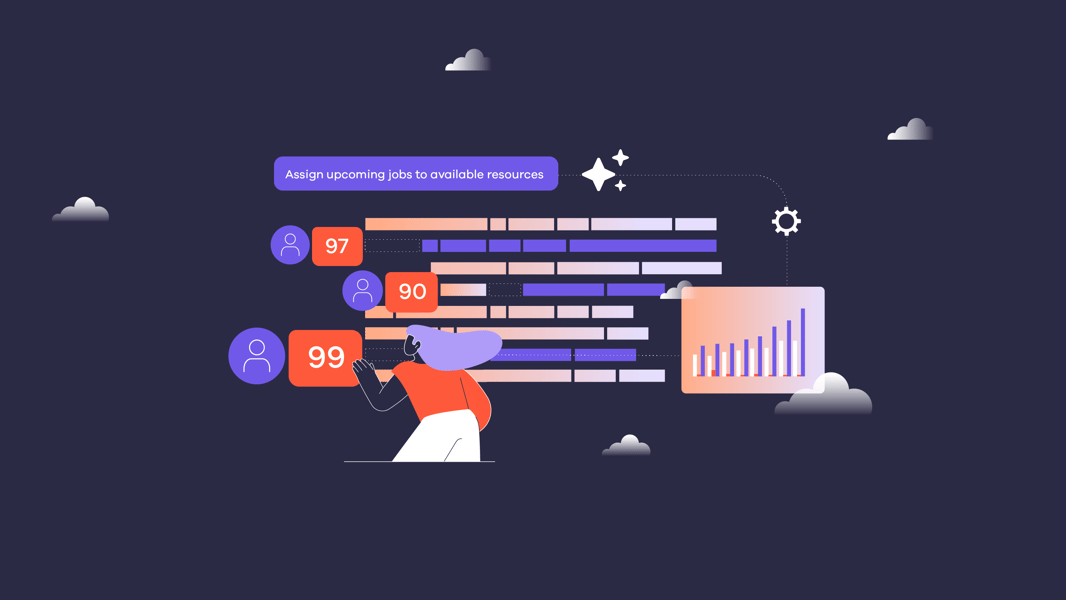
AI-powered scheduling: Dayshape enables AI resource scheduling, using agentic AI to find the best resource combinations in mere seconds, speeding up resource optimization
-
Utilization heatmaps: Dayshape also features resource utilization heatmaps that provide a visual demonstration of overall utilization rates, so instances of over- or underutilization can be flagged and rebalanced
-
Resource leveling: this method of resource optimization adjusts the project timeline to ease the pressure on individual resources
-
Resource smoothing: this technique is the reverse of leveling; resources are reallocated, while the delivery timeline remains fixed
-
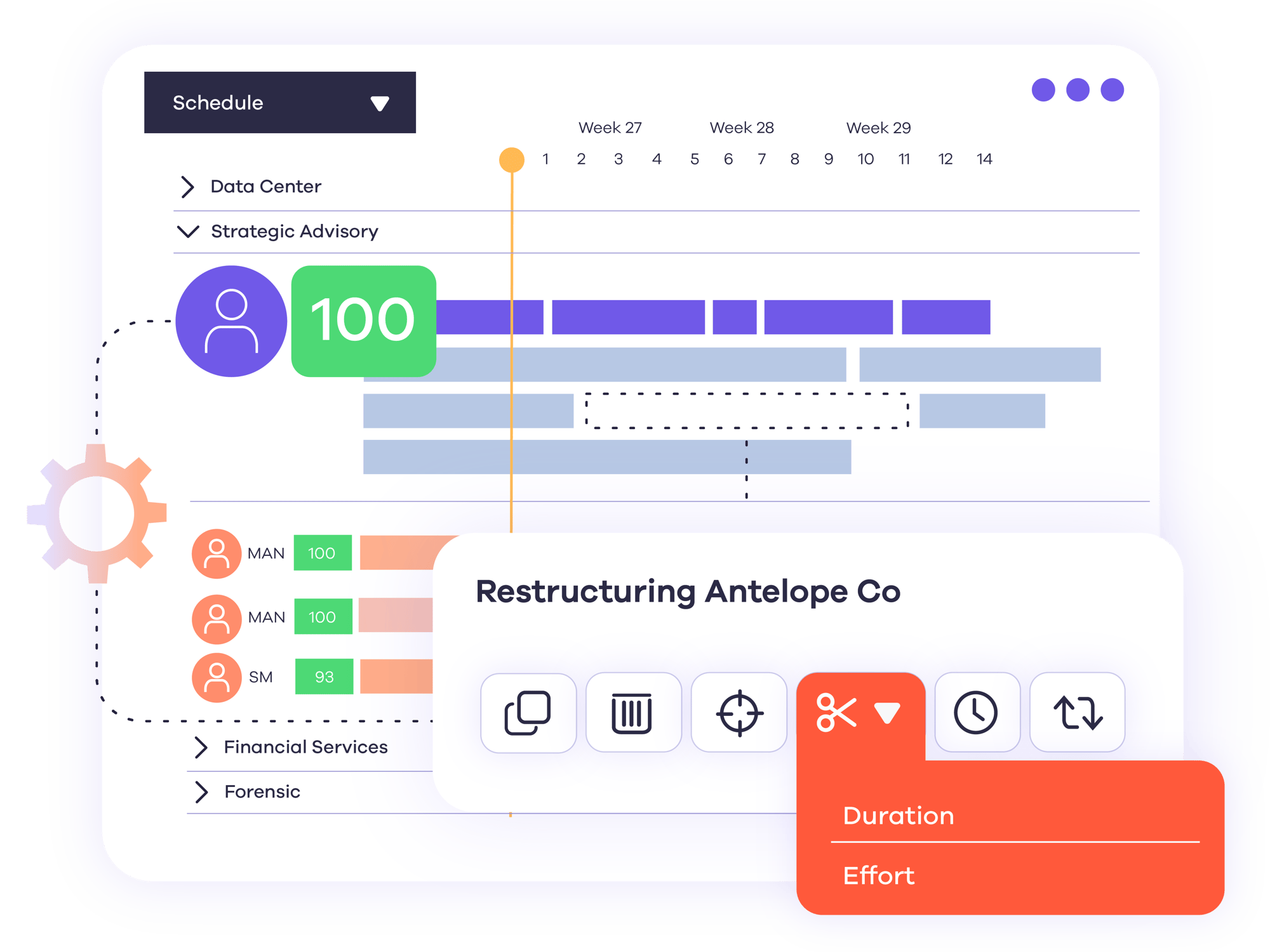
Suitability scoring: skill-based allocation and AI-driven suitability scoring ensure the best qualified resources are assigned to the most suitable tasks to drive productivity, employee engagement, and long-term retention
-
Automated alerts for key metrics: automating real-time alerts for key resource management metrics, such as utilization rates and margin, can also help managers to identify opportunities for resource optimization
-
Data-driven resource forecasting: this resource optimization strategy draws on historical data to forecast future resource requirements. Collect data in real-time with Dayshape, and create custom reports to inform future resource planning
What are the best tools for resource optimization?
The best resource optimization tools are those that combine suitability scoring, resource scheduling, real-time financial tracking, capacity planning, and reports and dashboards in one system. Dayshape enables all of this, powered by industry-leading agentic AI.
How can AI help with resource optimization?
AI resource optimization transforms the practice from a reactive process to a proactive strategy. Dayshape’s agentic AI function analyzes large volumes of resource data in real time to forecast demand, automate allocation, optimize resource management, and minimize waste.
Advise, Dayshape’s intelligent AI engine, analyzes thousands of potential resourcing combinations in seconds, taking into account skills, preferences, hourly rates, location, and historical performance to engineer the most balanced, profitable resource schedules.
Transform resource optimization with Dayshape
Transform your firm’s ability to optimize resource allocation and utilization with Dayshape. Our AI-driven resource management platform uses intelligent automation and seamless integrations to drive resource optimization techniques that ensure projects can be delivered to a high standard, on time, and on budget.
Book a Dayshape demo to find out how AI-powered resource optimization can help your firm to drive growth and profitability.