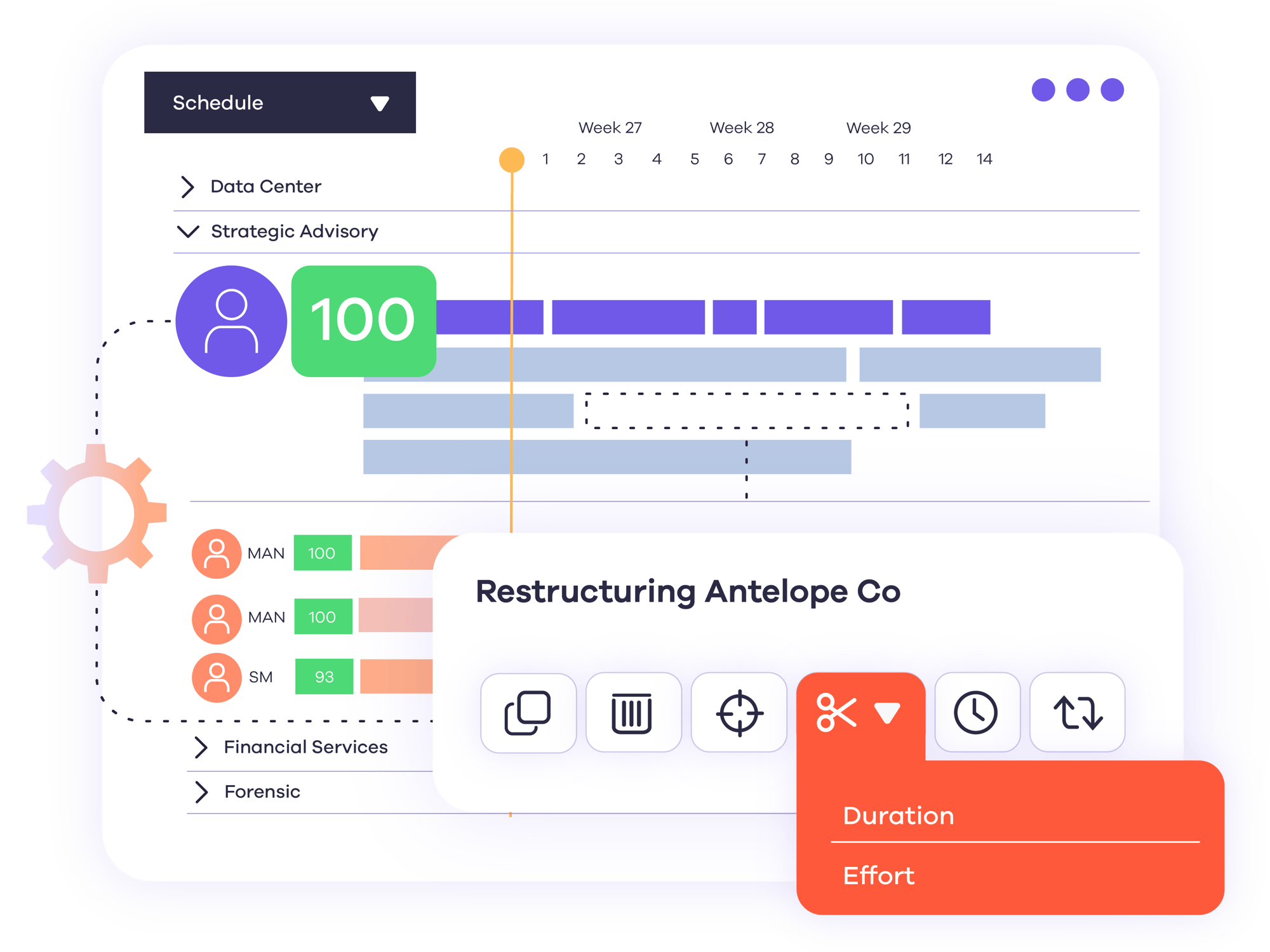
Resource conflicts occur when there is competing demand for a particular resource at one time. This is a particular risk in the professional services sector, where resource management is a complex, high-volume, ever-evolving task. When handled through static spreadsheets and fragmented tools, firms can face operational bottlenecks, including resource clashes and conflicts. Failing to manage these effectively and proactively can impact people, profits, and clients.
In this article, we explore the common causes of resource conflicts, the risks they present, and how resource managers can use AI-powered resource management capabilities like Dayshape to manage and resolve them at speed and at scale.
Key takeaways
-
Resource conflicts, also known as resource clashes, arise when there is competing demand for resources – such as people, skills, or budget – at a particular time
-
Resource conflicts are usually caused by a lack of resource visibility, suboptimal resource utilization, poor resource forecasting, or unexpected changes in project scope
-
Resource clashes can lead to resource under- or overallocation, in turn impacting employee wellbeing and morale, project timelines, and client relationships
-
To manage resource conflict in project management, firms need to adopt a proactive, data-driven, AI-powered approach
-
Dayshape’s strategic AI-driven resource management software enables resource managers to gain firm-wide, real-time resource visibility via dynamic reports and centralized dashboards. This helps managers to automatically identify clashes and find automated resolutions to keep projects profitable and on track
Contents
1. What are resource conflicts?
2. Common causes of resource conflicts
3. What issues do resource conflicts create?
4. 4 ways to resolve resource conflicts
5. How AI can help manage resource conflicts
6. How to manage resource conflicts with Dayshape
What are resource conflicts?
Resource conflicts occur when multiple projects require the same individual or team, and the resource's capacity cannot accommodate both workloads. Because capacity and demand are constantly fluctuating, these conflicts are an ongoing problem-solving process for professional services resource managers.
Resource conflict can reduce efficiency, create bottlenecks to project delivery, risk employee burnout, and affect morale and motivation. This can impact the wider business, with client dissatisfaction more likely when efficiencies are impacted.
Common causes of resource conflicts
Resource managers need to understand the primary causes of resource conflicts in order to avoid them. For example, clashes are more likely for firms with poor visibility into resource availability, or that work in silos. Among professional services firms, there are some common causes of resource conflicts and clashes:
-
Change in scope: shifting timelines, extra spend becoming available, or a change in deliverables are just some of the factors that can alter the scope of a project, disrupting established resource schedules, creating a domino effect of potential chases across other engagements
-
Poor resource visibility: a lack of firm-wide visibility is one of the most common causes of resource conflicts. When different departments or locations use disconnected spreadsheets or platforms, resource managers lack a centralized view of real-time availability and skills. This makes resources clashes through double-booking more of a risk
-
Inaccurate forecasting: resource forecasting that relies on hindsight or intuition rather than historical data is more likely to result in scheduling conflicts. A proactive, data-driven approach is key to preventing this
-
Maintaining resource capacity resilience: when firms are not prepared for planned time off, sick leave, or employee turnover, this can leave critical projects understaffed, leaving resource managers needing to pull resources from other active engagements, creating further disruptions. Proactive planning is crucial to avoid this
What issues do resource conflicts create?
Resource conflicts risk bottlenecks, employee burnout, and inefficient resource utilization. When resource allocation is suboptimal, it can result in issues including:
-
Suboptimal resource utilization: while some resources are overstretched, other equally qualified team members may be underutilized, which can also impact morale. This is a key risk posed by a lack of resource visibility across teams, departments, and geographies, and impacts overall efficiency and productivity
-
Staff burnout: when teams or individual staff members are overutilized, employee wellbeing can be impacted, with risks including job dissatisfaction, low morale, burnout, and higher staff churn
-
Costly project delays: resource conflicts can impact project delivery, with this a particular risk for firms that lack visibility into possible resolutions. If resource managers have to spend time manually resolving clashes, projects can be left under-resourced or paused, causing delays, timeline extensions, and lost profit
-
Damaged client relationships: without a proactive approach to resource optimization, inconsistent project delivery and delayed or missed deadlines are more likely. As a result, client satisfaction and long-term retention can suffer, impacting a firm’s bottom line
4 ways to resolve resource conflicts
Firm-wide visibility, intelligent resource management technology that provides real-time data, and a proactive approach are integral to resolve resource conflicts. Learn how to resolve resource conflicts with these five tips:
1. Assess the nature of the conflict
The first step to resolving resourcing conflicts is to assess the specific nature of the clash on a case-by-case basis. It’s important to identify the precise nature of the overlapping timelines, the hours required on each project, and the specific skills that are in high demand, causing the bottleneck. Without this information, resource managers cannot strategically resolve the conflict. Dayshape makes it easy to see where and how clashes have occurred.
2. Prioritize engagements
Next, review the competing engagements alongside wider business objectives. Assess the financial implications – such as project profit margins, contract values, and client retention risks – to determine which engagement is the highest priority. The real-time project financials Dayshape provides help inform these decisions, and enable dynamic course-correcting, without disrupting the overall project timeline.
3. Utilize resource leveling
Resource leveling is the process of adjusting a project schedule to align with available resource to prevent conflicts and optimize allocation. Although this technique may shift task start or end dates to align with true resource availability, it effectively smooths out demand peaks to avoid clashes. This is a useful tool to resolve conflicts, but it does require clear communication with all project stakeholders so everyone is aware of the shift in timeline to manage client expectations and safeguard relationships.
4. Skills-based reallocation
Skills matching is one of the most effective ways to resolve resource conflicts. Rather than competing for the same resource, managers should look across the wider firm for team members with equivalent skills and experience, as well as alternative delivery options such as offshore teams where appropriate. Dayshape's AI-powered suitability scoring enables firms to instantly identify the best-fit resource across their global workforce, helping prevent project disruption, while maintaining quality and client commitments.
How AI can help manage resource conflicts
Manually resolving resource conflicts takes time, draining valuable capacity, particularly when conflicts need to be resolved at scale. AI transforms the process from reactive to strategic, using objective, data-driven recommendations to identify the best-fit resource based on skills, availability, priorities, and project requirements, rather than manual judgment alone. Here's how Dayshape helps firms prevent and resolve resource conflicts:
-
Automate resource decisions: reduce admin and automate time-consuming, manual tasks with AI-powered resource management. Automate resource matching and scheduling, so managers can spend more time focusing on high-impact strategic decisions
-
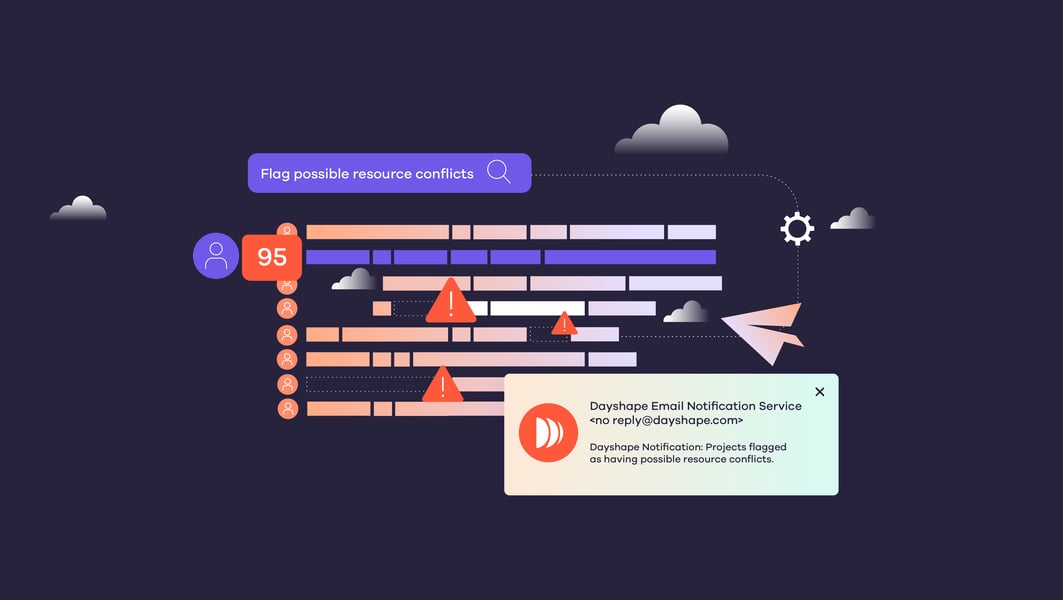
Real-time conflict identification: Dayshape monitors firm-wide capacity in real time, automatically flagging potential resource shortages and scheduling conflicts before they impact project delivery, enabling a more proactive approach
-
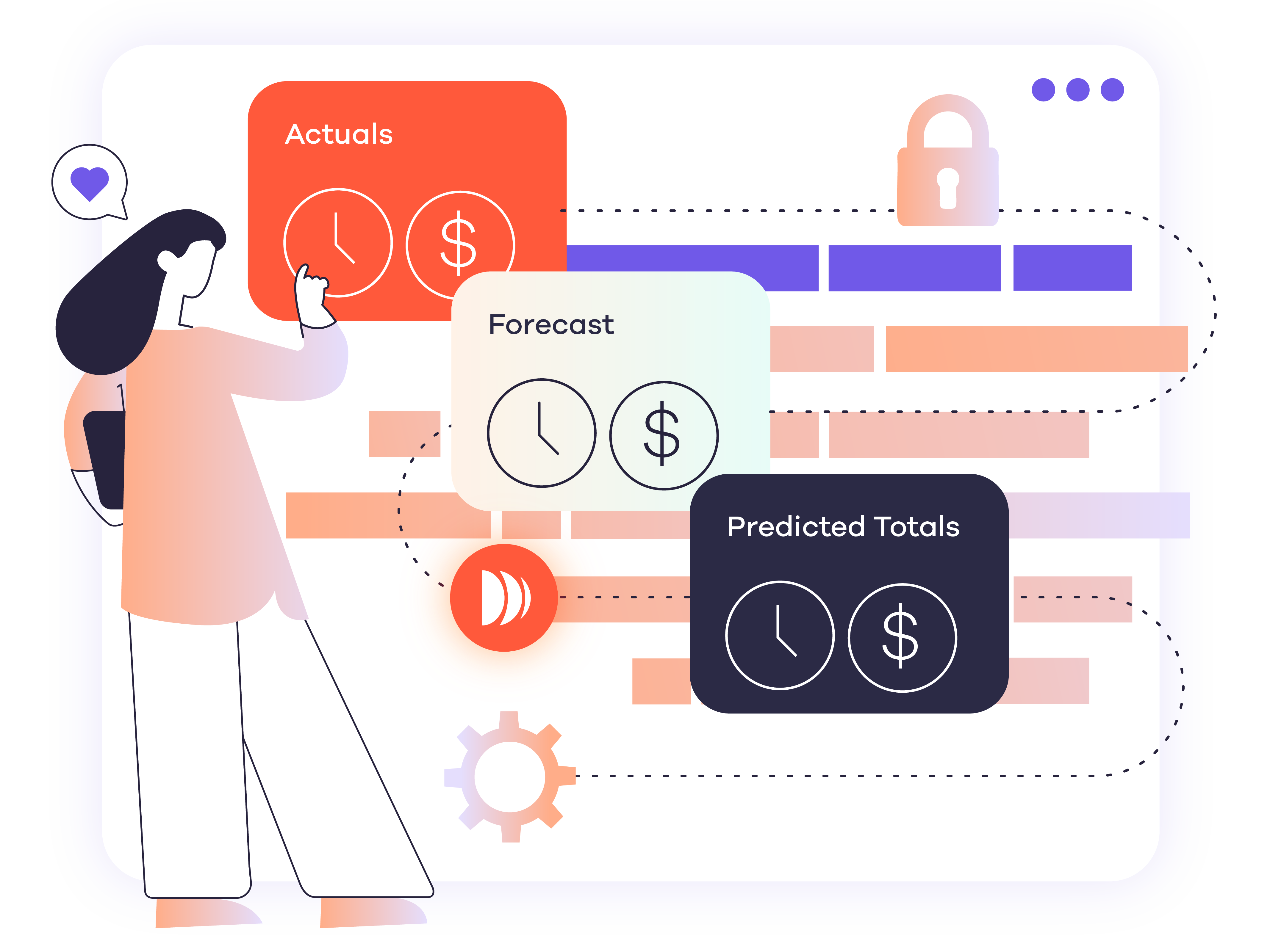
Proactive demand forecasting: by analyzing sales pipelines alongside historical project data, AI can effectively predict future resource requirements and potential capacity constraints. This allows resource managers to hire or upskill talent before conflicts occur
-
Optimize resource management: AI-powered resource management software analyzes available resource, utilization rates, employee preferences, and project financials, displaying this data in one centralized dashboard. As a result, resource managers can make data-driven decisions to avoid resource conflicts
Andrew Bone, VP Product and Cofounder of Dayshape, explains: “If you’re managing large volumes of work, getting a quick and as-accurate-as-possible answer is a great result. It allows the resource manager to focus their attention on the 20% of cases that need special handling – that’s where AI really adds value.
“Similarly, when there are multiple ways to solve a problem, AI can surface all the potential options, enabling the resource manager to focus on evaluating the pros and cons of each. It’s about streamlining the process, while still keeping human judgment at the core.”
Christine Robinson, Strategic Advisor to Dayshape, adds: "A lot of resource management is more art than science – there’s rarely one perfect answer. I see AI as a sparring partner in this process, enhancing the capabilities of both the resource manager and the overall resourcing function. It adds to the conversation, supporting better decisions while keeping the resource manager in control.”
How to manage resource conflicts with Dayshape
Dayshape replaces fragmented spreadsheets with a single source of truth, giving resource managers the visibility and intelligence needed to resolve resource conflicts with confidence. By breaking down departmental silos, Dayshape provides firm-wide visibility of capacity, demand, and skills through live, real-time dashboards, making it easy to see who is working on what across teams, offices, and geographies.
Rather than making decisions for resource managers, Dayshape's AI surfaces the best-fit resourcing options based on factors such as skills, availability, and project priorities. Resource managers can then explore different scenarios, compare outcomes, and apply their own expertise to make the right decision for the firm, the client, and their people.
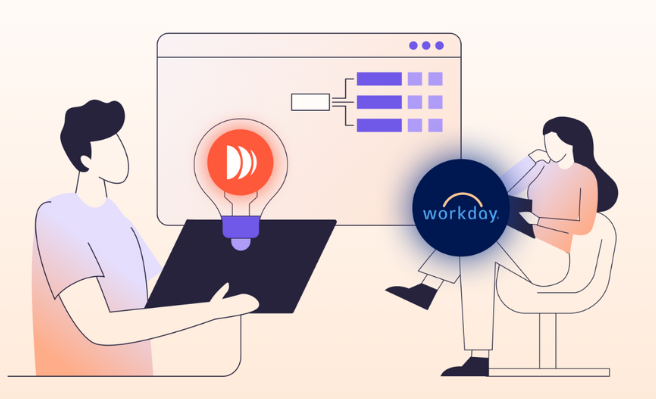
What’s more, Dayshape integrates seamlessly with platforms including Salesforce, Workday, and OpenHR, so resource managers can prepare for upcoming engagements more strategically. Plan capacity and align available resource to the sales pipeline before project delivery begins to avoid future clashes.
Discover how Dayshape can transform your approach to resolving resource conflicts. Book a demo today to find out more.



.png?width=500&height=500&name=Untitled%20design%20(79).png)
.png?width=423&height=300&name=Blog-WEB-challenges-1600x900%20(1).png)

.png?width=423&height=300&name=Blog-WEB-levelling-1600x900%20(1).png)