Professional services firms are increasingly finding themselves being challenged to do more with less. Skilled resources are stretched, which risks overutilization and subsequent burnout, impacting firms’ ability to deliver engagements on time and within budget. Accurate, informed, and strategic resource capacity planning significantly reduces these risks, and allows firms to maximize utilization, profitability, and resource allocation.
In this guide, we look at how to get resource capacity planning right, explore its benefits, and share best practices for the maximum efficiency.
Key takeaways
-
Resource capacity planning is the process of balancing supply (available resources) with demand (client engagements)
-
The benefits of accurate capacity planning include optimal resource utilization, enhanced resource allocation, greater cost efficiencies, and improved forecasting for future projects
-
Overall resource capacity is calculated by subtracting planned time off and estimated non-productive time from the total hours available
-
Resource capacity planning can be optimized by following the ‘match’ strategy, which prioritizes increasing resources incrementally based on forecasted demand. Meanwhile, using AI-driven software provides firm-wide visibility, a single source of truth, and up-to-date data to drive strategic capacity planning
Contents
-
What is resource capacity planning?
-
Why is resource capacity planning important?
-
Capacity planning vs resource planning: what’s the difference?
-
What are the benefits of resource capacity planning?
-
3 key capacity planning strategies
-
Resource capacity planning steps
-
Capacity planning best practices
-
Common resource capacity planning issues and how to avoid them
-
How to use software for resource capacity planning
-
Resource capacity planning example
-
What are the key components of effective resource capacity planning?
-
What’s the best way to calculate resource capacity?
-
What is the role of resource capacity planning in project management?
-
What are the most important resource capacity planning metrics?
-
Transform resource capacity planning with Dayshape
What is resource capacity planning?
Resource capacity planning is the process of determining the amount of work that needs to be completed and what can be completed, before balancing this with available resources to meet current and future demand. This can be unpredictable in the professional services sector, making accurate capacity planning challenging. However, it’s important to get this right consistently, as poor capacity planning can negatively impact your people, clients, and long-term performance.
Why is resource capacity planning important?
The importance of resource capacity planning shouldn’t be underestimated. It’s an essential tool for balancing the supply of resources with demand for work in order to optimize productivity and efficiency. Reasons why workforce capacity planning is important include:
-
Optimizes resource utilization
-
Enhances efficiency
-
Empowers higher productivity
-
Reduces risk of employee burnout
-
Supports staff retention
-
Improves cost efficiency, supporting overall profitability
-
Enables more accurate forecasting
-
Ensures efficient client service delivery
Capacity planning vs resource planning: what’s the difference?
Capacity planning and resource planning are often discussed in conjunction with each other, but there are key differences between the two processes.
| |
Capacity planning
|
Resource planning
|
|
Focus
|
Firm-wide
|
Project-level
|
|
How it works
|
Looks at overall resource availability vs demand
|
Looks at resource allocation on an individual level
|
|
Approach
|
Long-term, proactive
|
Short-term, reactive
|
|
Purpose
|
Ensures available resources meet demand to prevent overloading and burnout
|
Supports efficiency by assigning the right resource to the right task at the right time
|
What are the benefits of resource capacity planning?
Accurate resource capacity planning delivers multiple benefits. With the right capacity planning strategy and processes in place, professional services firms can:
1. Maximize resource utilization
One of the key benefits of effective capacity planning is its impact on resource utilization optimization. This is especially important for professional service firms, whose resource cost is one of the most expensive entries on their balance sheet. These businesses must utilize their resources' time efficiently to ensure cost-effectiveness and long-term sustainability.
However, at the same time, it’s important to prevent resource under- or overutilization to prevent employee burnout and support staff retention. Resource capacity planning helps to balance and maximize resource utilization, benefiting employee wellbeing.
2. Enhance resource allocation
Accurate capacity planning also helps to ensure suitable resources are allocated for successful engagement delivery. Knowing that you have employees with the right availability, skills, experience, charge-out rates, and accreditations is crucial for an engagement to finish within the agreed time and budget.
During the resource capacity planning process, the resource manager must identify and allocate resources based on:
Getting resource allocation right reduces the chance of having under- or overskilled resources on an engagement, and enables high-quality, cost-efficient project delivery.
3. Forecast future resource capacity
Effective capacity planning enables more accurate resource forecasting, so skills shortages can be identified and addressed ahead of time. This facilitates a more proactive approach to resource management. With robust resource capacity planning, firms can avoid last-minute training or outsourcing by mapping project workload with workforce capabilities. As a result, training can be completed in advance of new engagements beginning, and skilled staff can be hired to plug gaps ahead of time.
4. Align sales and engagement delivery
Resource capacity planning takes into account predicted and actual deals won. This supports strategic resource forecasting, which is vital in the engagement planning stage to ensure the right resources are available at the right time. Forecasting pipeline opportunities in this way means professional services can better navigate the peaks and troughs of ‘busy season’.
3 key capacity planning strategies
There are several different approaches to resource capacity planning, with each offering unique benefits. The three most common capacity planning strategies are lead, lag, and match.
-
Lead: this is the most proactive approach to workforce capacity planning, and involves investing in more resources before demand increases. It enables rapid growth and prevents bottlenecks when demand does rise, but it risks high costs if demand doesn’t increase
-
Lag: a more reactive form of resource capacity planning, firms adopting this strategy will increase resources following a rise in demand. This helps to stop resources and money from being wasted, but it also risks engagement delivery delays if the right resources cannot be sourced quickly
-
Match: this type of capacity planning takes a more balanced approach than the lead or lag models. It relies on accurate, data-driven resource forecasting, so that resources can be increased incrementally ahead of a projected rise in demand. Match capacity planning helps to optimize resource utilization and support overall cost efficiency
Resource capacity planning steps
Every resource capacity planning strategy will incorporate the same steps. These are:
-
Assess capacity: start by calculating available capacity across all teams to get a firm-wide view of resource capacity
-
Forecast demand: draw on data from previous projects and reports to project anticipated demand
-
Identify resource gaps: compare demand with resource availability, and determine whether this will lead to under- or overutilization
-
Create a resource plan: the final step is to create a detailed resource scheduling plan that aligns available hours, technology, and budget with operational demands. The plan needs to be iterated with real-time resource data based on changes in demand or capacity
Capacity planning best practices
Get the best results from your capacity planning by following these resource capacity planning best practices.
1. Maximize utilization with firm-wide visibility
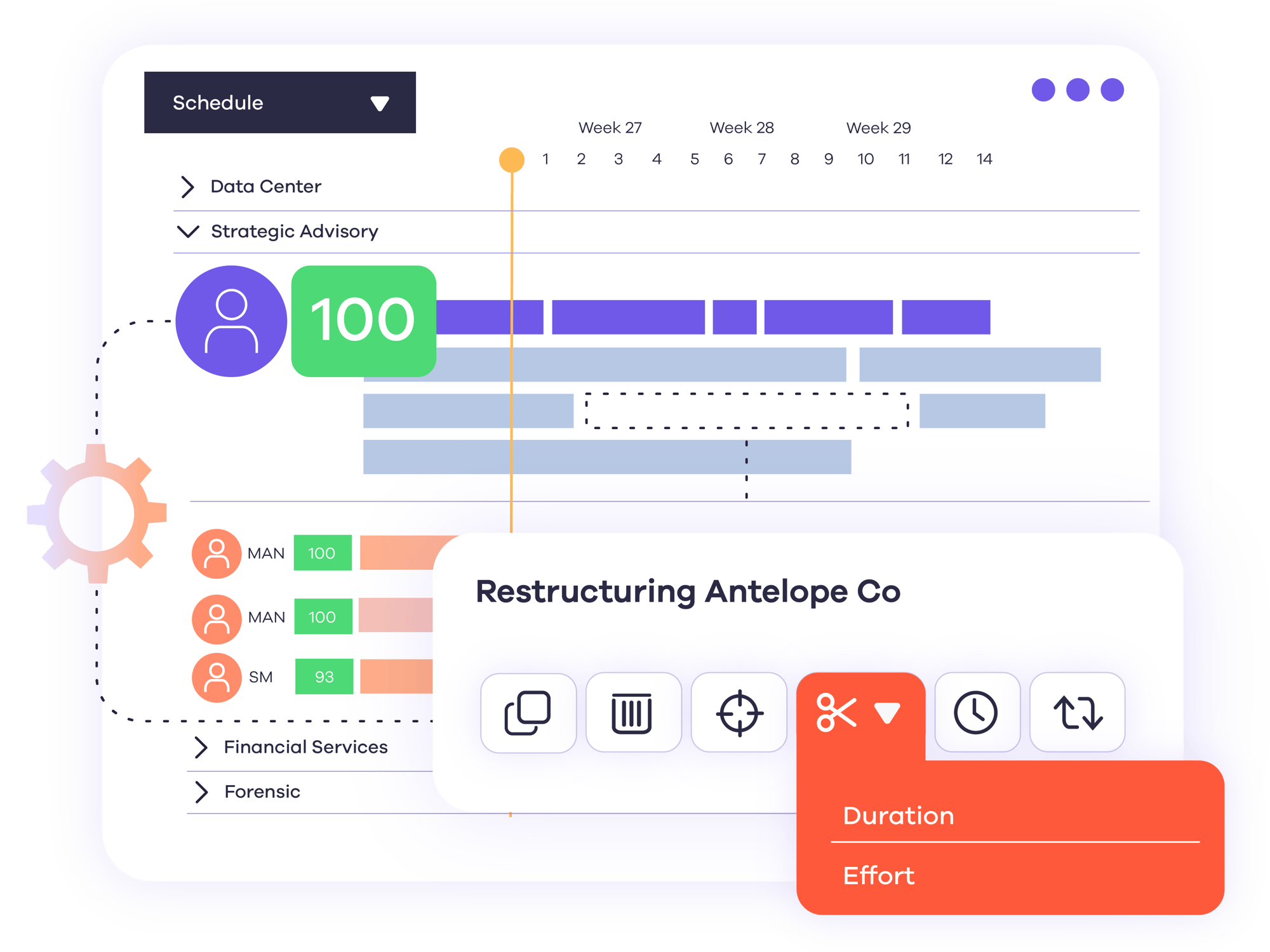
AI-powered resource capacity planning software gives firms the option to go beyond local resource assignment and drive efficiencies by looking at skills and availability at a nationwide and/or global level. Firm-wide visibility allows for the creation of more effective, bigger-picture capacity planning strategies, maximizing resource utilization.
2. Use utilization scoring
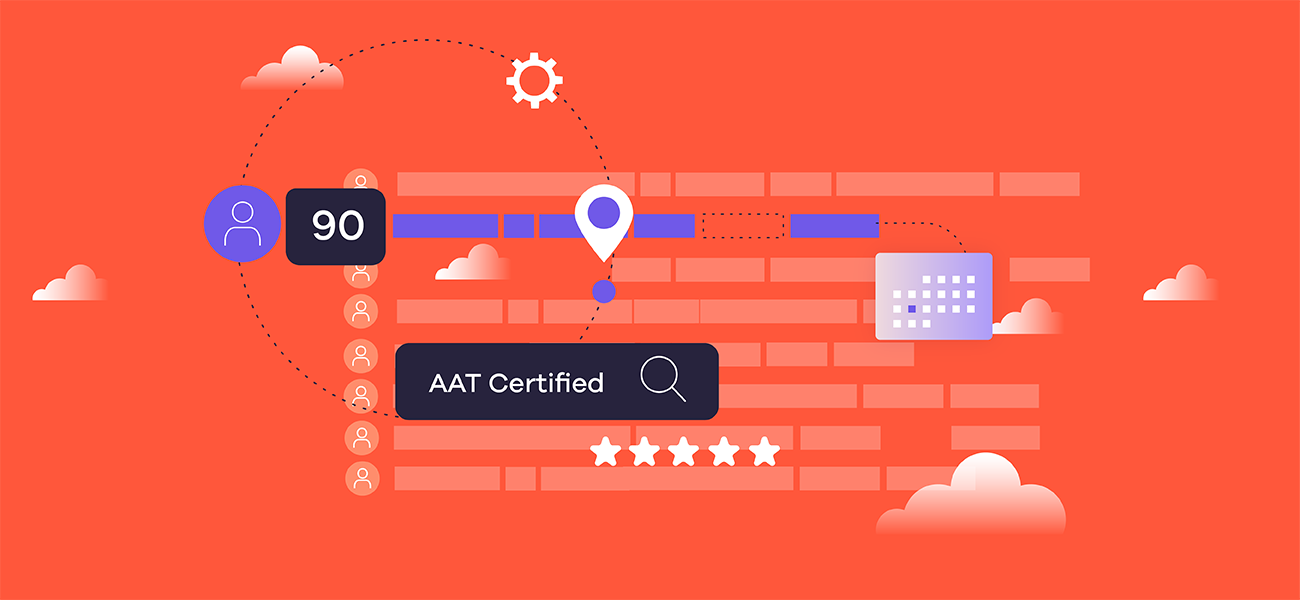
During the resource scheduling process, it’s crucial that the resources are selected not only for how suitable they are to complete a task, but also how available they are. Dayshape's utilization filters allow resource managers to quickly and easily determine which resources are under-, over-, or perfectly utilized when scheduling unassigned work. This helps firms to optimize utilization, maximize profit, and prevent staff burnout.
3. Utilize suitability scoring
A data-driven approach to resource capacity planning reduces job selection bias and allows work to be distributed more effectively and fairly across the firm.
Dayshape automatically calculates a suitability score for every resource, allowing firms to ensure the best match for every task. This score considers elements such as skills, accreditations, work experience, and a resource's preference to work on different types of jobs. As a result, this impacts staff happiness and retention, while also supporting diversity and career advancement across the business.
4. Optimize demand forecasting
With in-depth resource capacity and skill utilization reporting, resource managers have the insight they need to fully utilize existing skills and better understand capacity risks, alongside current and future demand.
For example, a resource manager may find via reporting that there is a general shortage of resources compared to forecasted demand. Dayshape will not only highlight this, but can also indicate which specific skills, staff grades, or locations require additional resources.
5. Provide a single source of truth with system integration
Dedicated resource management software will integrate with other software systems to provide a single source of truth for key information. System requirements will vary by firm, but may include:
By integrating capacity planning functions with HRIS, resource managers can be more flexible and agile. Similarly, by integrating with CRM systems, Dayshape can provide up-to-date information on incoming engagements to enable resources to be allocated ahead of the engagement beginning.
Common resource capacity planning issues
Inefficient capacity planning can lead to missed deadlines, budget overruns, and overworked teams. Some of the most common resource capacity planning challenges include:
-
Siloed systems: fragmented tools make it hard to plan holistically. A centralized system makes capacity planning significantly more effective
-
A reactive approach to resource planning: capacity planning should be proactive, rather than reactive to be truly effective
-
Lack of firm-wide visibility: when resource managers are unable to see real-time availability or skills across teams, this results in capacity planning and resource allocation issues
-
Inaccurate forecasting: limited insight into future demand or project timelines impacts forecasting, leading to further issues in future
-
Over- or underutilization of resources: when resource utilization is unbalanced, more work and pressure is loaded onto existing teams, impacting wellbeing and increasing the risk of burnout
How to use software for resource capacity planning
To avoid common workforce capacity planning issues, firms need a long-term solution specifically designed for their business or sector. AI-driven resource management software enables professional services firms to achieve profitable engagements and outstanding client service, without causing burnout.
Dayshape centralizes resources in a firm-wide view for cross-department resource capacity planning. This means resource managers and leaders can understand how much time and cost is incurred by resources and any resource changes per engagement, resulting in more profitable engagements.
What’s more, greater resource capacity planning accuracy allows firms to better assess and seize opportunities for new business and future growth. Seamless integration with existing systems and automated reporting also help firms to finetune their capacity planning. Reports provide data into past engagements to inform more accurate forecasting and strategic decision-making.
Resource capacity planning example
Accounting and advisory firm Wolf & Company recognized the value of increasing visibility into staff capacity to enable more strategic capacity planning, and engaged with Dayshape to transform its approach.
Kristiann Phelan, RMCP Resource Manager and Amanda Matczynski, Director of Data Services at Wolf & Company, explained: “Before, we had no idea who was working on what, and what capacity everyone had. We’d send manual emails around the teams to ask who had availability when new work came in.”
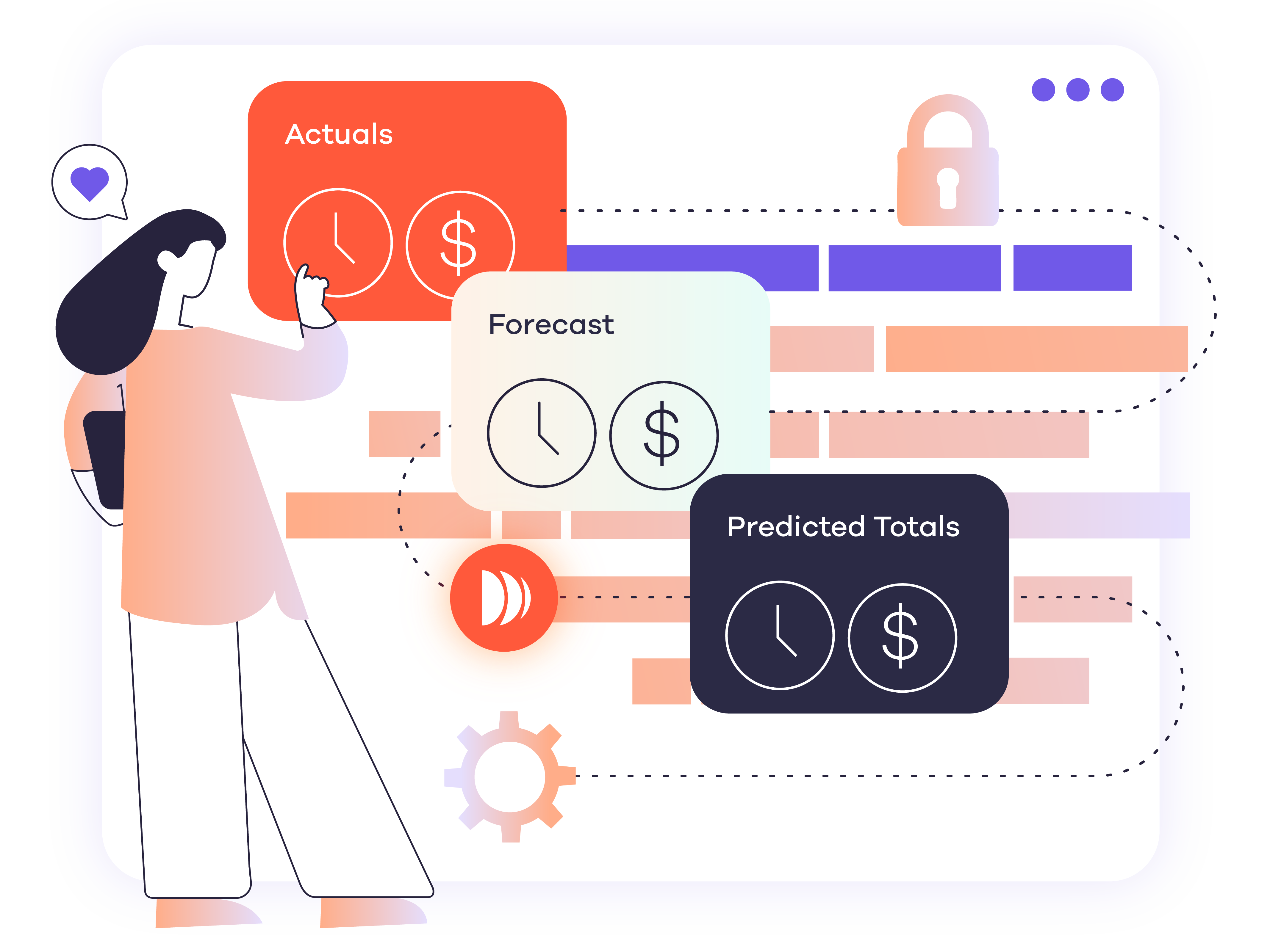
Since adopting Dayshape across the organization, Wolf & Co. has transformed resource planning and reporting. The platform’s automated reports mean all teams now have greater visibility of capacity, demand, and financial performance, so the firm can act faster and more confidently to deliver the best possible service to clients. Dayshape’s AI-powered, real-time reports provide Wolf & Co. with a single source of truth for vital information, transforming capacity planning.
FAQs
What are the key components of effective resource capacity planning?
Effective resource capacity planning requires the following components:
-
Accurate demand forecasting
-
Ongoing resource optimization
-
Proactive risk management
-
Commitment to resolving resource conflicts
-
Ability to adjust if project requirements change
-
Up-to-date insight into project financials
What’s the best way to calculate resource capacity?
Resource capacity can be calculated by subtracting employees’ scheduled time off and estimated non-productive time from their total available hours.
What is the role of resource capacity planning in project management?
Resource capacity planning is an essential aspect of project management, as balancing resource supply with project demand is crucial to optimize resource utilization, prevent engagement delivery delays, enhance cost efficiency, and support client satisfaction.
What are the most important resource capacity planning metrics?
To measure the impact of your organization’s capacity planning, consider the following metrics:
Monitoring these metrics allows firms to refine their capacity planning process to ensure greater accuracy in future.
Transform resource capacity planning with Dayshape
Optimize firm-wide resource capacity planning for your organization with Dayshape’s AI-powered resource management software.
Dayshape helps professional services firms to maximize the value of their existing skills and resources, enabling a fairer, more productive, and profitable resourcing strategy. Designed specifically for professional services firms operating at scale and complexity, Dayshape enables a capacity planning strategy that is more flexible, proactive, and responsive to real-world changes in demand vs workforce capacity.
Book a Dayshape demo today, or contact our team to learn more.




.png?width=500&height=500&name=Untitled%20design%20(79).png)