Key takeaways
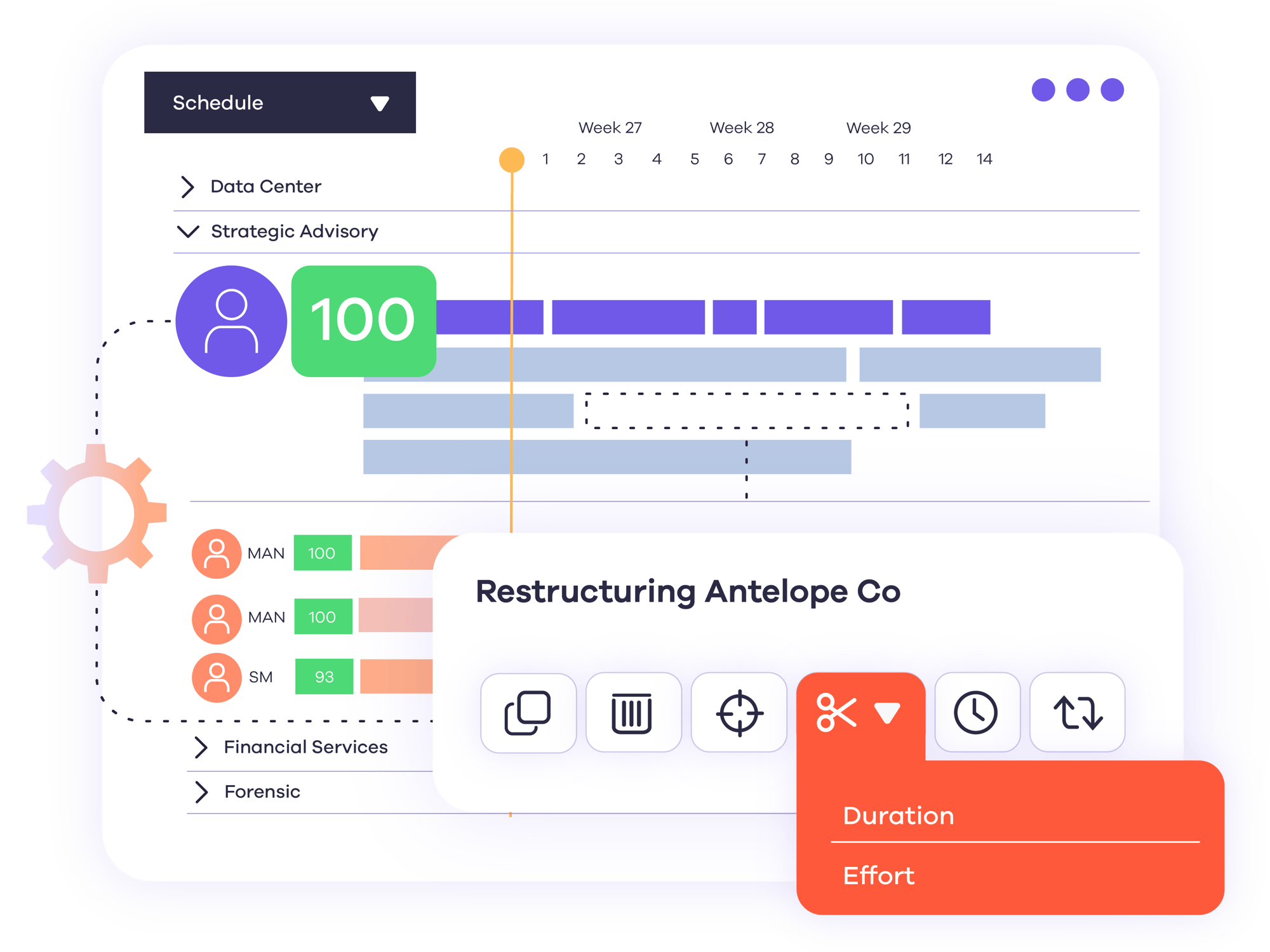
- Resource planning is the process of identifying, allocating, and managing resources, such as people, finances, or equipment. It’s about making sure the right skills are available at the right time to ensure successful project delivery
- Resource planning focuses on short-term task allocation, while capacity planning focuses on long-term strategy
- The benefits of using resource planning software can include enhanced visibility, better utilization tracking, improved clash resolution, and optimal resource alignment
- Using a dedicated resource planning tool can also help professional services firms to streamline workflows, reduce manual effort, and improve overall engagement efficiency
- Must-have features to look for in resource planning software include skill-based assignments, flexible and specific resource selection, suitability scoring, and real-time engagement economics
Effective resource planning is fundamental to delivering a successful engagement. By planning resources ahead of time and using the right resource planning tools, professional services firms can better adapt to ongoing changes and prevent project pitfalls.
In this guide, we delve into the core benefits, key features and importance of resource planning tools, and explore how they differ from project management tools.
Contents
1. What is resource planning?
2. What is a resource plan?
3. Capacity planning vs resource planning: what’s the difference?
4. Reactive resource planning vs strategic resource planning
5. Why is resource planning important?
6. What are the key components of an effective resource plan?
7. Resource planning tools vs project management tools
8. Resource planning best practices
9. What are the benefits of using resource planning software?
10. Common resource planning challenges and how to overcome them
11. Resource planning example
12. How to create a resource plan
13. What’s the role of resource management software?
14. Must-have resource planning software features
15. Enhance your resource planning with Dayshape
What is resource planning?
Resource planning is the process of identifying, allocating, and managing resources such as budget and equipment to ensure project success. It is the foundation of resource management, and helps organizations optimize efficiency, avoid overallocation, and meet deadlines effectively. Resource planning is typically carried out by engagement managers who strategically assess the time and skills required to complete the work, and then request resources within the agreed budget. Resource managers must then assess resource capacity and availability and schedule each task according to the requirements of the plan.
What is a resource plan?
A resource plan is a document that outlines the resources required for the successful delivery of a project. It will specify all necessary resources, including people, equipment and financials, define all roles and responsibilities, and ensure resources are allocated in the most effective and efficient manner.
The resource plan is an essential file for project, resource and engagement managers, who will need to monitor it continually to reduce the risk of resource conflicts, and respond to evolving project requirements.
Capacity planning vs resource planning: what’s the difference?
Capacity planning and resource planning often go hand-in-hand, but there are some fundamental differences between the two.
|
Capacity planning
|
Resource planning
|
|
Assesses maximum production capacity in order to meet demand
|
Concerns the allocation of resources necessary to execute tasks or projects
|
|
Takes a long-term view of available resources
|
Often a more short-term approach, dealing with resource allocation on a daily or project basis
|
|
Strategically optimizes overall capacity to avoid over- or underutilization
|
Ensures the right resources are available at the appropriate time to support efficiency
|
|
Encompasses forecasting to assess future needs
|
Focuses on allocating resources to specific planned projects
|
Read more: What is resource capacity planning?
Reactive resource planning vs strategic resource planning
Resource planning can be either reactive or strategic; ideally, resources should be planned carefully, with long-term goals in mind, but sometimes reactive planning will be necessary.
- Strategic resource planning: also known as proactive resource planning, this method adopts a long-term, holistic focus to plan ahead and ensure alignment with goals. Strategic planning also allows firms to share resources across service lines, offices and geographies to achieve the optimal outcome, demonstrating effective centralized resourcing into practice
- Reactive resource planning: this type of resource planning can feel like constant firefighting. It takes a short-form approach, and is used to respond to issues or adjustments in scope that were not anticipated in the project plan
Why is resource planning important?
The key to effective resource planning is developing a strategy that addresses ongoing resource requirements consistently, on time, and on budget in order to maximize the value and potential of your resources. This is especially important for firms that operate with people-based resources (selling time, knowledge and experience) and project-based work. This combination usually means resource and engagement teams have to contend with a high level of disruption and change within engagements, making accurate resource planning essential.
Resource management is a difficult task. A resource manager has to consider resource availability and allocation to specific tasks across potentially hundreds of engagements. Resource managers must also have the ability to effectively adapt resourcing plans when changes are required. For example:
- A resource becomes unavailable due to either sickness or resignation
- Additional resources (e.g. grades, skills, and experience) are required
- Inaccurate forecasting means either more or less time is required
Advanced AI-powered resource planning platforms, such as Dayshape, better enable teams to cope with these changing demands and pivot their project resourcing plans to meet them. Without the right resource planning software, the process of managing adaptations to schedules can be very manual and repetitive involving lots of email, meetings, and spreadsheets, which can lead to wasted time, inconsistency, and poor staff experience.
What are the key components of an effective resource plan?
The core components of a successful resource plan include:
- Resource identification: the resources necessary to deliver the project must be identified before any planning or allocation takes place. Resources could include personnel, equipment, technology, materials, and finances
- Capacity planning: whether the organization is able to meet current and future demand with available resources should be considered as part of the resource plan to support future demand forecasting
- Financial planning: budgeting is a key part of resource planning. Budget itself is a resource, and it must be managed carefully to prevent overspend and ensure maximum efficiency
- Effective resource allocation: people, equipment and budget need to be allocated to each task strategically, taking into account overall goals, individuals’ skills, and career development
- Risk management: a project’s risk level needs to be assessed as part of the resource plan, with contingencies considered to prevent project delays or resource conflicts
- Clear communication: open, clear communication regarding timelines and expectations is an essential component of resource planning to ensure alignment at all levels, and prevent any misunderstandings or clashes
- Ongoing monitoring: continuous monitoring assesses the need for adjustments as requirements evolve, and helps to ensure optimal resource utilization at all touchpoints
Resource planning best practices
Ensure your resource plan is as effective as possible by adhering to the following resource planning best practices where possible:
- Ensure alignment with project goals: keep the project’s goals at the forefront of the resource planning and allocation process to ensure strategic alignment. If adjustments are made to the resource plan once execution is underway, resource managers must ensure any changes continue to align with objectives
- Use real-time resource tracking: utilize resource planning software with real-time tracking features to accurately assess resource availability to support overall efficiency
- Open communication: foster a culture of open communication between resources, managers, and stakeholders to prevent potential conflicts or bottlenecks. Resource planning software that provides firm-wide visibility can also help to reduce the risk of resourcing conflicts
- Continuous monitoring: regular reviewing and monitoring is essential to meet changing demands while ensuring continued optimal use of resources. Dayshape’s detailed reports can support your organization with this
Resource planning tools vs project management tools
While the work within resource planning tools may be project-based, resource planning tools are distinct from project management tools.
A good project management tool should enable teams to plan and monitor project timelines and costs in order to ensure successful project delivery. In professional services, project management systems are most effective in smaller firms where project managers have the ability to assign their own resources and resolve any clashes. However, as firms grow, and the number of projects and resources increases, it becomes more difficult for project managers to manage resources in addition to managing projects.
Dedicated resource planning tools allow for a wider view of company resources. Instead of focusing on individual projects, resource planning tools take a resource-first approach. They list resources where project management software would list projects. This allows for a firm's most valuable resource - their people - to be put at the forefront.
Under a resource-first view, work can be more suitably assigned to resources. By considering their schedule and their skills, work can be allocated to the best resource instead of the resources that are either top of mind or showing availability within the project timelines.
That being said, resource planning and project management are not mutually exclusive. In fact, effective resource management is key to achieving successful project management. It’s true that managing a project becomes much easier when your team has the right skills and enough availability to complete the tasks - something that (depending on the size of the firm) either a resource manager, dedicated resource management software, or both, can help you achieve.
What are the benefits of using resource planning software?
The core benefits of using Dayshape’s resource planning software include:
1. Gain firm-wide visibility
Using a resource-first approach, firms have oversight of all of their resources in one tool. This is especially necessary given the change in working patterns since the COVID-19 pandemic, as more people experiment with hybrid working and firms hire remote staff. Having full visibility of skills, capacity and availability across the firm allows you to efficiently and flexibly plan across all engagements, improving utilization and capacity planning.
2. Optimize resource assignment
With resource planning tools, resource managers can find the best people for engagements, and faster. Using AI-powered suitability scoring, you can match the right person with the right job fairly, based on configurable criteria, such as availability, grade, location, or skills. Resource managers also have the option to use automated scheduling to schedule a larger number of tasks more easily.
3. Access reliable utilization data
Resource managers have the challenge of delivering top-quality client engagements while allocating work evenly and maintaining a work-life balance for their resources. Utilization filters provide an instant view of how much work has been assigned to resources, so you can avoid staff burnout, manage capacity, identify skill shortages, and optimize profitability.
4. Improved clash resolution
Resource managers can use filters and reports to identify clashes in the schedule, be alerted in real time if changes to a plan cause a conflict, and resolve them easily, thus allowing for happy clients and healthy profitability by avoiding unexpected delays.
Common resource planning challenges and how to overcome them
Resource planning software can also help professional services firms to overcome common resource planning challenges, including:
- Poor resource visibility: limited visibility into the resources available can prevent resources from being used in the most efficient and effective manner. Dayshape resource planning software provides enhanced, firm-wide visibility into all resources, helping to prevent both overallocation and underutilization as a result
- Siloed resource planning: only looking at resources by department can create siloes, potentially resulting in resource conflicts for people working across multiple projects. Centralized resource planning can help to avoid these clashes, improving overall efficiency as a result
- Changing requirements: an inability to respond and adapt to project changes and disruptions can make a firm less agile, which can impact client satisfaction and reputation. Avoid these issues by considering contingency plans as part of the initial resource planning process, and by using software that allows you to adjust how resources are used in real time
Resource planning example
Imagine you are a large accountancy firm and you have an audit to complete for a long-term client. Your firm has completed similar audits for this client before, so you know what grade of resources are required and how long it should take to complete the work.
With a resource planning platform like Dayshape, resource and engagement teams can efficiently and accurately build, budget, resource, and deliver engagement plans end-to-end within one system. Where there is repeat work, as is common within auditing, resource planning tools can further streamline this process, allowing resource plans to be rolled forward from a previous similar engagement and be adjusted as necessary.
Engagement managers can then take this engagement plan with tasks and start requesting resources to complete these tasks. As this is for a long-standing client, they may request specific resources who have previously worked with this client for continuity. The resource manager will then assess their resources to determine who can fulfil these tasks based on their skills, availability, and utilization rate.
Within audit, it is particularly important that the resource manager has access to accurate and up-to-date information on their resources to ensure the necessary skills and qualifications have been assigned, and to avoid any conflicts of interest that would risk audit independence.
How to create a resource plan
While the project and resources required will vary, the steps to create a resource plan should always remain the same. The process can be largely automated by using resource planning tools and software, but the below steps will still be followed:
- Step 1 - Define scope: the first step of resource planning is to scope out the project requirements, goals and KPIs. This needs to be done in full before resources can even be considered
- Step 2 - Identify resources required: assess all of the resources required to deliver the project, including people, equipment, technology, and budget
- Step 3 - Create a schedule: devise a project timeline that corresponds with the resources available to create a schedule for delivery
- Step 4 - Allocate resources: resources can then be allocated to specific tasks. Find out more about effective resource allocation
- Step 5 - Monitor and adjust: ongoing monitoring ensures the resource plan is still relevant as requirements change. An effective resource plan will be agile and adaptable
What’s the role of resource management software?
A dedicated AI-powered resource management platform like Dayshape tends to suit larger firms with hundreds of resources and multiple engagements at various stages of completion more than project management tools. By taking a resource-first approach, Dayshape accounts for the reality of ever-changing resource plans while still being able to deliver projects that are profitable, provide excellent client service, and offer staff fulfilling and rewarding careers.
Maximize utilization and profitability
Engagement managers and resource managers are expected to prevent underutilization, maximize utilization and deliver profit margins while adapting to changes in the resource plan. Intelligent resource management software like Dayshape allows you to see the impact any resource changes have on your engagement financials, monitor actuals in real time, and make changes to prevent reduced margins and potential overruns.
Deliver excellent client service
Professional service firms survive and thrive on the strength of their reputation. This means it is crucial that client service is excellent and expectations are consistently met. With Dayshape, engagement managers can select particular skills for a task, and/or specific or flexible resources; resource managers can then deploy the right people and skills to deliver and maintain excellent client service.
Empower resource leaders and teams
Dayshape promotes fulfilling and rewarding careers for resources. By making resource planning easier, we are in turn making it easier for resource managers to dedicate more of their time to strategic decisions and give more flexibility and autonomy to staff. In addition, by using suitability scoring, resources are assigned work that is best suited to them. This eliminates bias by providing scoring on tangible metrics and ensures employees get the ‘right work’ to advance their careers.
Effective resource planning is essential for maximizing efficiency and ensuring successful project execution. By leveraging dedicated resource planning tools, firms can enhance client visibility, streamline task assignments, and optimize profitability. Investing in the right software can transform resource management and drive business success.
Must-have resource planning software features
Key resource planning software features to look for include automated the ability to specify skills required, select flexible resources, add suitability scoring, and see engagement economics in real time. Dayshape offers each of these features, transforming your approach to resource planning and allocation.
1. Ability to specify required skills
When creating the tasks within an engagement, engagement managers should be able to outline what skills are required from the resource to complete this task. This can be configured within Dayshape to suit what is relevant to your organisation; for example, certifications, driving licence, experience, and language skills.
2. Flexible or specific resource selection
Giving engagement managers the option to select flexible or specific resources allows resource managers to deploy the workforce most optimally.
Specific resources are typically requested to ensure continuity for clients if resources have previously worked with them. This can benefit client service, engagement quality, and overall efficiency, as resources are already acquainted with the client, their industry, and their idiosyncrasies. Engagement managers can roll forward previous resource teams that worked with a client to ensure this continuity. Alternatively, if the specific resources are unavailable, Dayshape will suggest resources with the required skill set - all subject to a resource manager’s approval.
In contrast, requesting flexible resources allows your resource manager to select the best-suited resource based on who is available at the time in which they schedule the work - considering location, business unit, grade, and any skills required for the task.
3. Suitability scoring
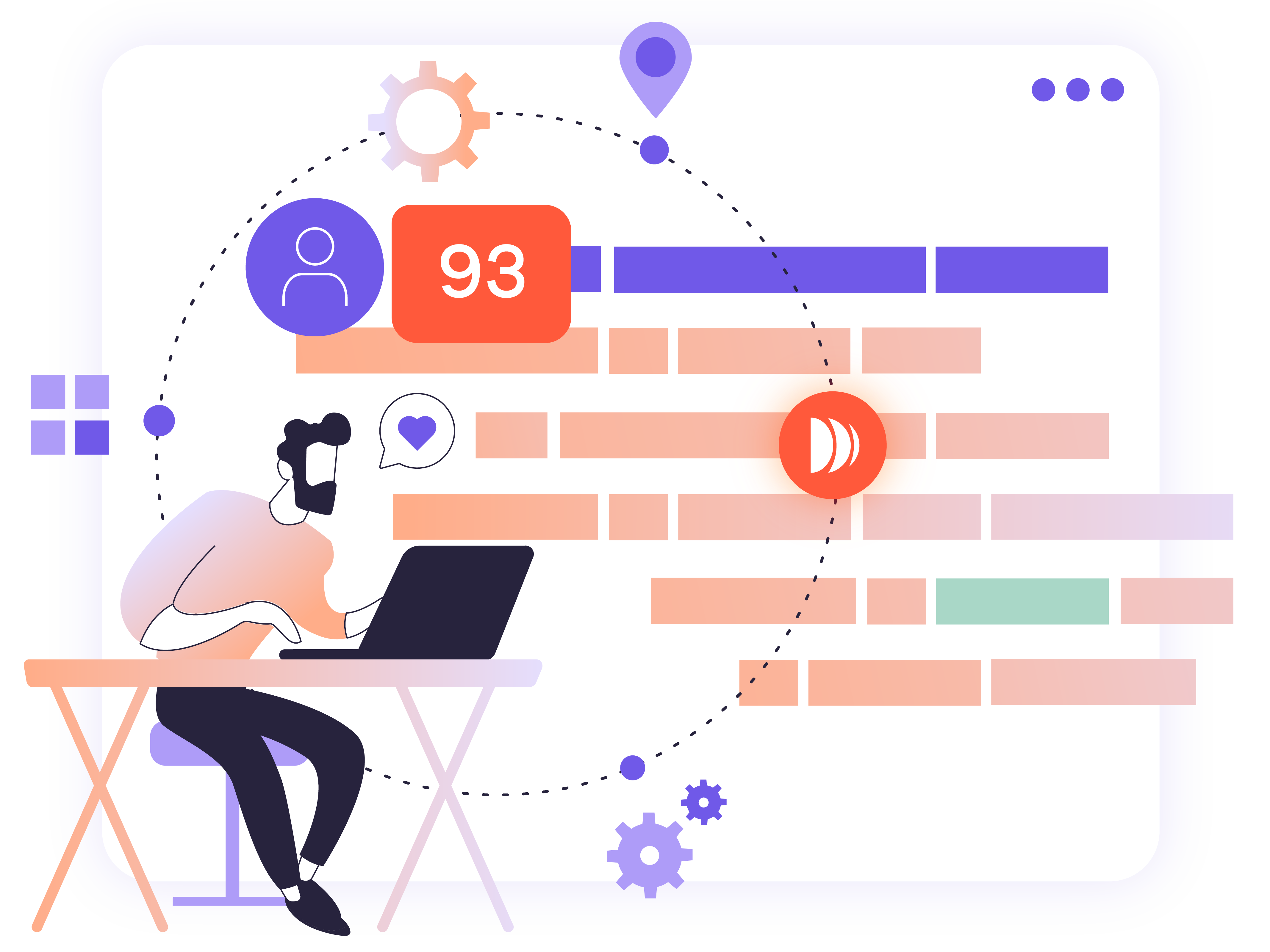
When selecting flexible resources, it is also important to consider suitability scoring. Dayshape’s AI-powered suitability scoring highlights which resources are most suitable for specific tasks based on the criteria requested from the engagement manager during the planning process. This allows resource and project managers to quickly and objectively identify who is the best fit.
4. Real-time engagement economics
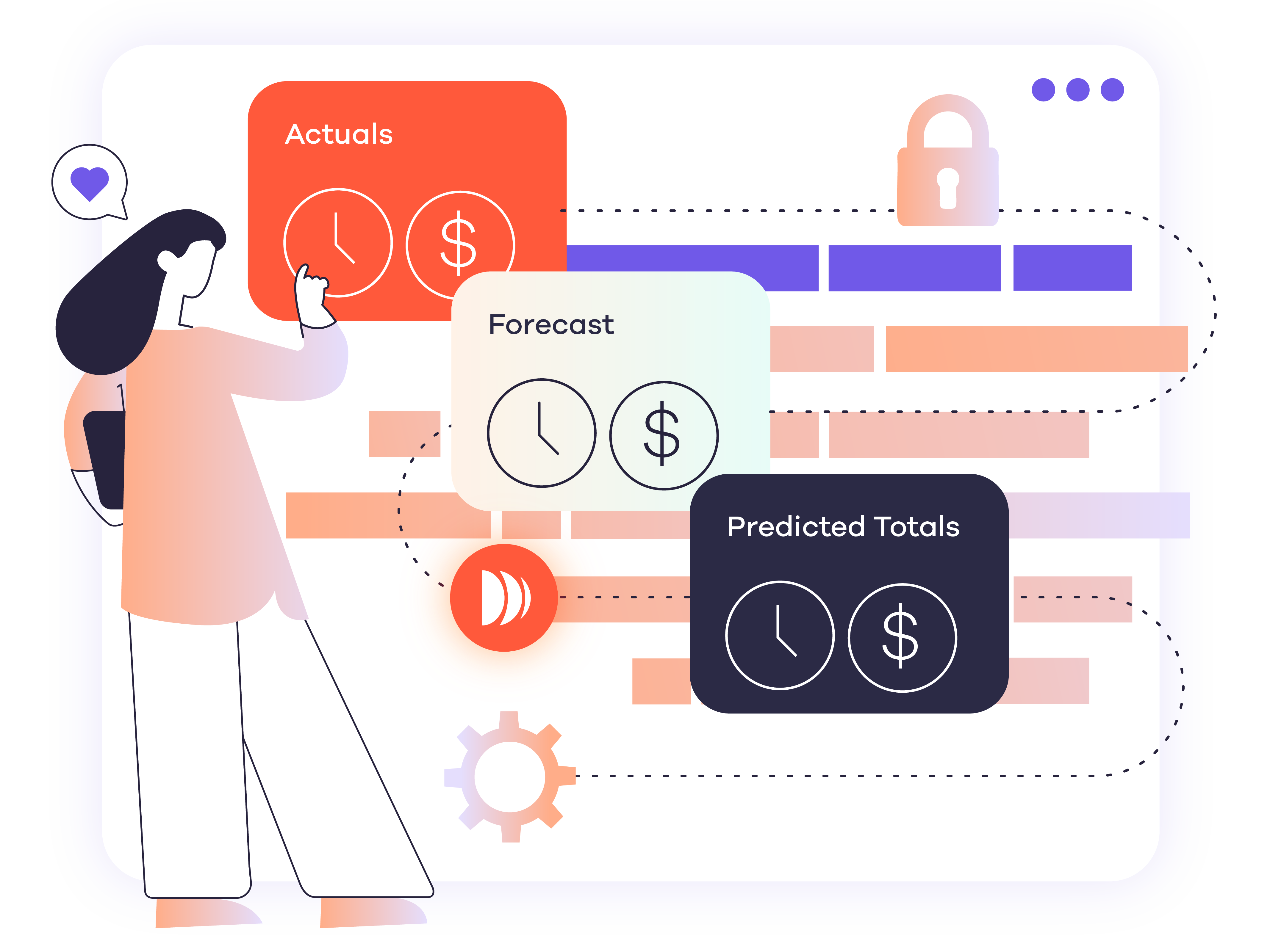
Dayshape has the ability to integrate with other systems, including timesheet software, allowing actual engagement spend to be compared with the forecasted spend. This means engagement managers can make informed decisions about which resources to request for their engagement as they directly see the impact this has on margin and budget.
Consequently, this could influence and inform their resource planning decisions.
In addition, if the plan is altered, warnings can be configured to pop up in real time to notify engagement managers if the gross margin is below the minimum threshold set, reducing budget write-offs.
Enhance your resource planning with Dayshape
Transform your organization’s resource planning with Dayshape to enhance your efficiency and ensure projects are delivered on time, in budget, and in alignment with clients’ goals. Dayshape enables businesses to improve their resource planning. Use Dayshape to:
- Plan reliably
- Optimize margins
- Grow revenue
- Inspire your teams
- Confidently win and seamlessly resource more projects
- Uncover firm-wide insights, discover trends, and forecast future needs
Book a demo today, or contact our team to find out more.


.png?width=500&height=500&name=Untitled%20design%20(79).png)


.png?width=423&height=300&name=Blog-WEB-levelling-1600x900%20(1).png)
.png?width=423&height=300&name=Blog-WEB-challenges-1600x900%20(1).png)