Professional services: Navigating a new operating era
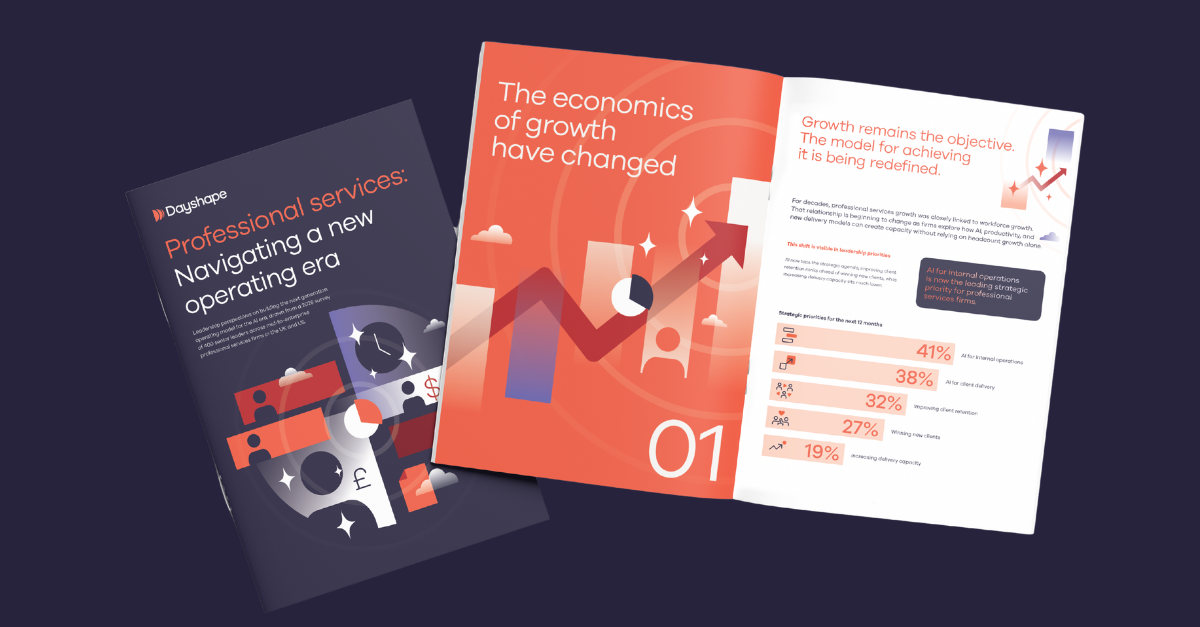
Leadership perspectives on building the next generation operating model for the AI era, drawn from a 2026 survey of 400 senior leaders across mid-to-enterprise professional services firms in the UK and US.
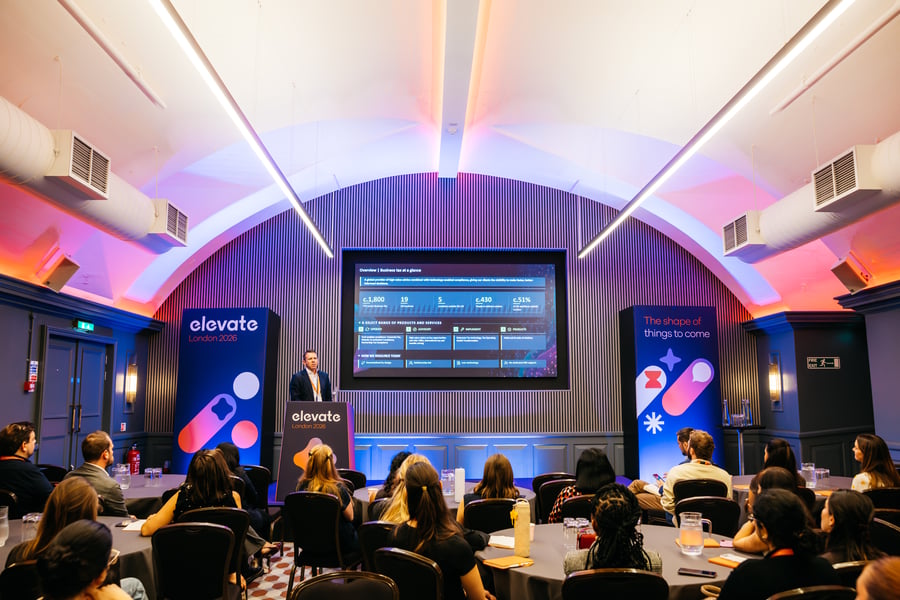
Seven takes from Mark Kennedy, Partner and COO, Deloitte Business Tax, at Elevate UK 2026
For most tax leaders, resource management has traditionally centered on operational questions: do we have enough people, how quickly can we staff work and where are the immediate capacity gaps?
But growth, pricing, automation, strategic workforce planning and new services all depend on a broader view. Leaders need to understand not only who is available today, but which skills exist across the business, where demand is heading and whether the organization can support its future ambitions.
Mark closed his Elevate UK presentation with seven takes on the resource revolution in tax. Together, they show why workforce intelligence is a leadership capability rather than simply an operational tool.
As tax questions become more complex, firms increasingly need to bring together specialists from different tax regimes and countries, alongside people with data, technology, organizational and operational skills. The challenge is no longer simply finding people; it is assembling the right expertise quickly and making it accessible across teams and locations.
Policy and regulatory change adds another layer of complexity. As tax administrations move toward real-time reporting, some compliance work is shifting from annual cycles to more frequent delivery, while advisory work is becoming faster moving and more specialized.
The leadership question is therefore not only whether the practice has enough capacity, but whether it can see and mobilize the skills and expertise required as demand changes.
Resourcing cannot run on relationships alone
Historically, opportunities and work allocation often relied on local knowledge and established relationships. Those relationships still matter, but they are no longer sufficient when expertise is distributed across multiple teams, geographies, and delivery models.
Leaders need a clearer view of the skills people have, the skills they want to develop and where expertise sits across the organization. That visibility helps firms identify and mobilize specialists, anticipate capability gaps and give people access to opportunities beyond their immediate networks.
Skills are becoming a strategic asset. Understanding them at practice level supports today’s client work while helping leaders plan the capabilities, they will need in three to five years.
AI will free tax advisors to be more strategic
As automation and AI take on more repeatable activity, the value of tax professionals will increasingly lie in interpretation, judgment, and strategic advice. The workforce challenge is not simply to remove tasks, but to understand how roles will change and which capabilities people will need next.
That makes workforce intelligence essential. Leaders need to see where technology is changing demand, where capacity may be released and how that capacity can be redirected toward higher-value client work, innovation, and growth.
Resource management should unlock opportunity, not just capacity
Resource management should not stop at improving utilization or filling immediate gaps. Better visibility can connect specialist expertise with new markets and products, helping the practice identify and pursue opportunities that might otherwise remain hidden.
The same intelligence used to allocate work today can support broader decisions about the future: which services deserve further investment, where growth opportunities exist and whether a capability needs to be hired or is already available elsewhere in the practice.
Technology can guide, but humans decide
One of Mark’s central messages was simple: “Technology guides, but the humans decide.”
A shared view of demand, capacity, skills and availability can reveal risks earlier, identify opportunities and support workforce planning. It gives leaders better facts and management information, but professional judgment remains essential. Resource managers and leaders still decide how to balance commercial priorities, client needs, development opportunities and individual circumstances.
The goal is not automated decision-making. It is better-informed decision-making.
The best technology is the technology people actually use
Workforce intelligence is only valuable when it becomes part of everyday decisions. That means the technology must support how teams really work, provide information people trust and make it easier to plan, allocate and develop talent rather than adding complexity.
Adoption is therefore as important as functionality. A common platform can create visibility across organizational silos, but its value depends on consistent use by leaders, resource managers, and teams.
The future of tax resourcing is agile
Demand in tax is becoming more dynamic. Regulatory deadlines can create practice-wide spikes, advisory work can move quickly, and specialist expertise may be needed across locations at short notice. Static, locally managed approaches cannot respond consistently to that pace of change.
Capacity matters. But competitive advantage will increasingly come from how effectively firms identify and deploy the right expertise across teams, service lines, and locations.
How Deloitte Tax is evolving resource management
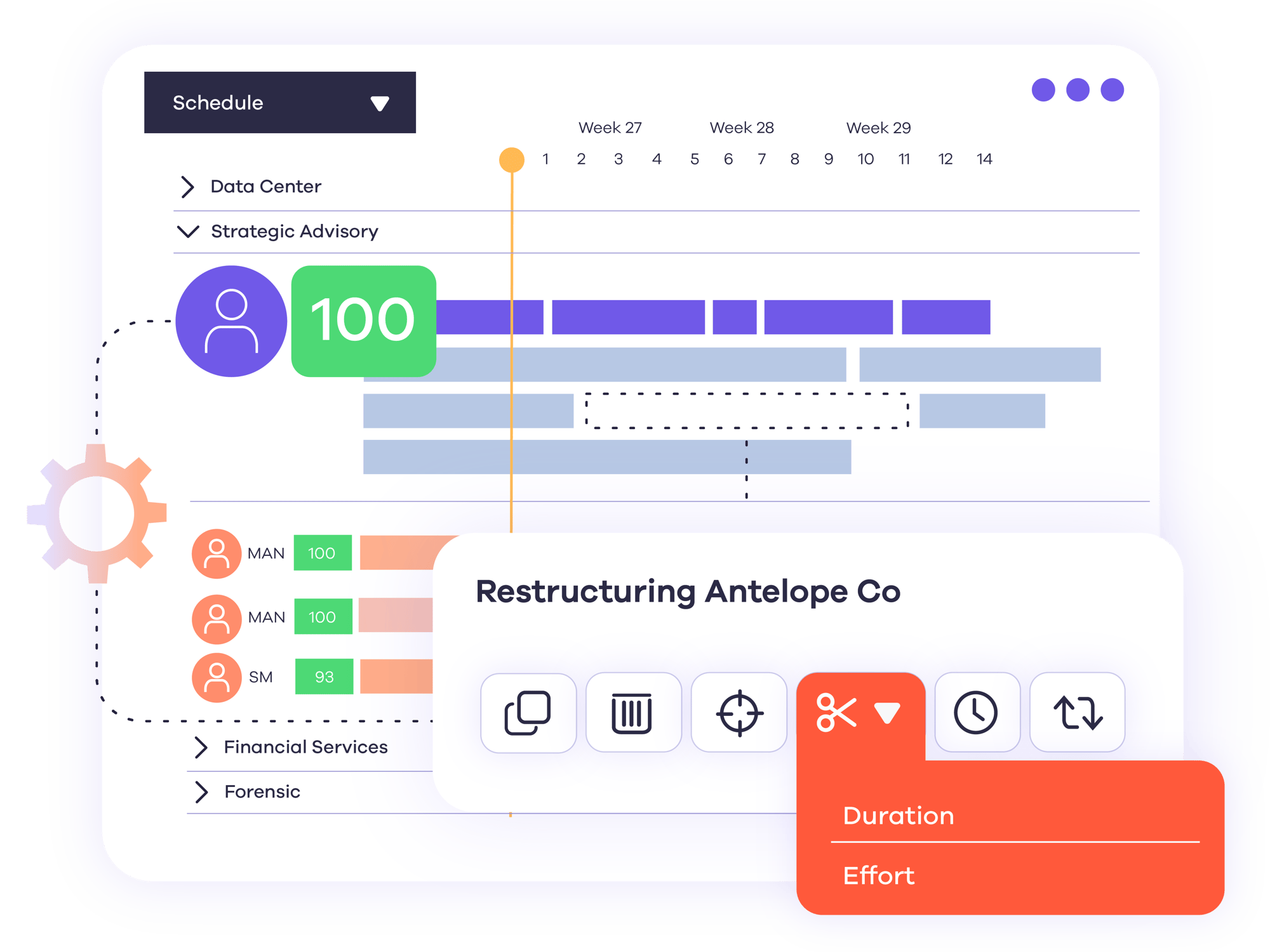
These principles are beginning to shape the evolution of resource management within Deloitte Tax. A successful Dayshape pilot within Business Tax, the largest business unit in Deloitte's UK Tax practice, provided the foundation for a phased approach. This involves extending a common technology platform across predictable compliance work while recruiting dedicated resource managers to support more dynamic advisory teams.
The model aims to improve access to specialist expertise, identify workforce risks earlier, inform hiring decisions, increase visibility across distributed teams, and enable greater agility as client demand changes.
Crucially, the ambition extends beyond operational efficiency. It's about helping leaders make better decisions on hiring, capabilities, growth, and talent deployment, while giving individuals greater visibility of opportunities to develop their careers.
The bigger opportunity for resource management
Mark's seven takeaways reflect a wider shift in the role of resource management as a strategic capability supporting growth, talent development, resilience, and client service.
Ultimately, the value of resource management lies in what it enables: a tax organization that can bring expertise together faster, respond to changing demands, deliver for clients with greater confidence, and pursue new opportunities.
Watch Mark Kennedy's Elevate UK 2026 session to explore all seven takeaways and what they mean for the future of resource management in tax.